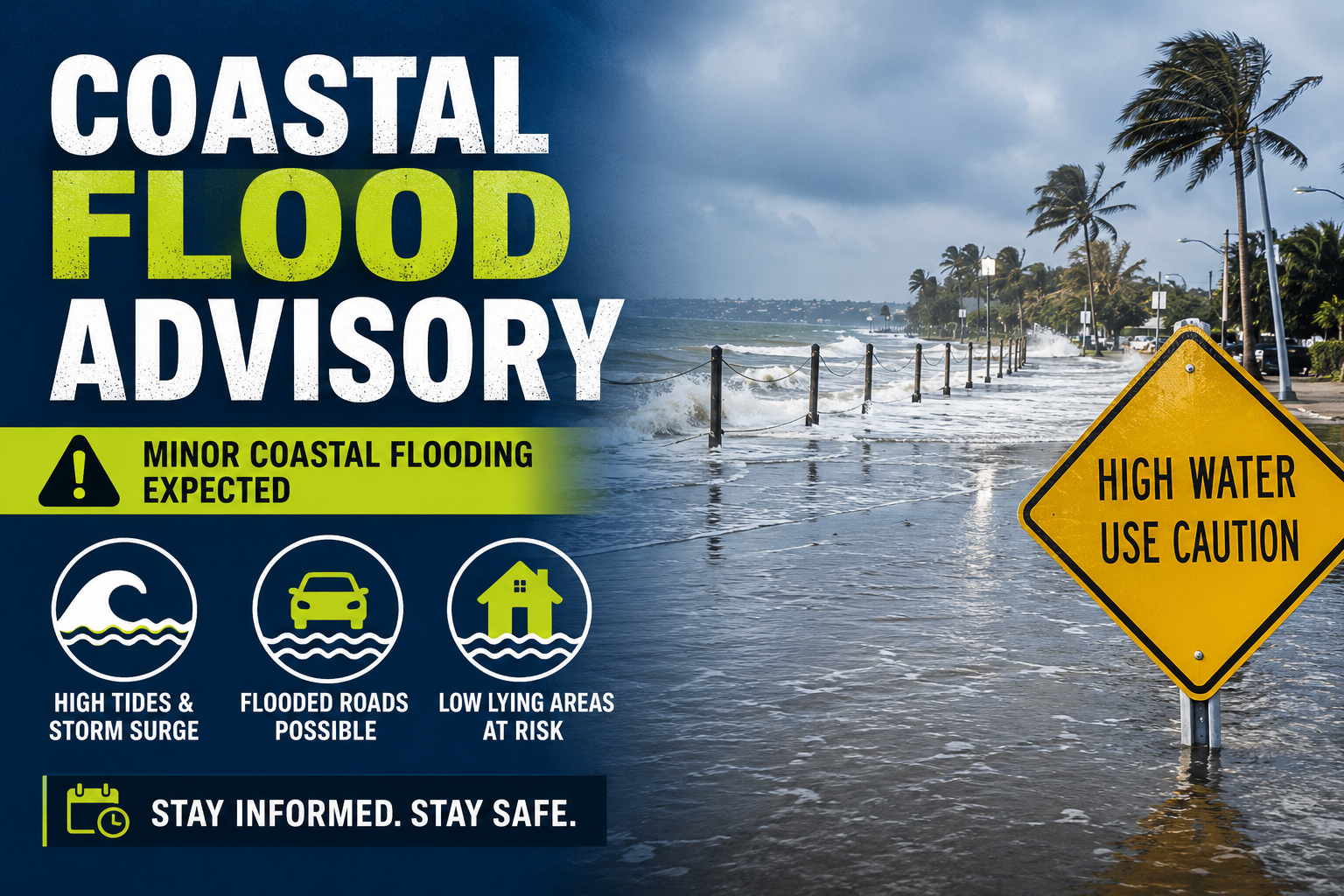
Coastal Flood Advisory: What It Means and How to Stay Safe
Understanding a Coastal Flood Advisory
A coastal flood advisory is a weather alert issued when minor to moderate flooding is expected along coastal areas. It serves as an early warning to residents, businesses, and travelers that rising water levels could create hazardous conditions. While it may not sound as serious as a flood warning, it should never be ignored because even shallow flooding can lead to property damage and transportation issues.
Many people confuse a coastal flood advisory with other flood-related alerts. The key difference is that an advisory indicates flooding is expected to cause inconvenience or minor impacts rather than widespread destruction. However, the severity can vary depending on the location, tides, weather conditions, and the vulnerability of the coastline. In some situations, repeated advisories can signal an ongoing risk that deserves close attention.
Coastal flood advisories are commonly issued by meteorological agencies when factors such as high tides, storm surges, strong onshore winds, or heavy rainfall are expected to push water onto normally dry land. These advisories help communities prepare before conditions worsen and give people enough time to take basic precautions.
What Causes Coastal Flooding?
Coastal flooding occurs when seawater moves inland and covers areas that are usually dry. One of the most common causes is unusually high tides, often referred to as king tides. These natural tidal events can temporarily raise water levels enough to flood roads, parking lots, and low-lying neighborhoods near the shore.
Storm surges are another major contributor to coastal flooding. When powerful storms or hurricanes approach the coast, strong winds push large amounts of seawater toward land. This surge of water can raise sea levels significantly and increase the likelihood of flooding, even before the storm makes landfall. Storm surges have historically caused some of the most damaging coastal flood events around the world.
Heavy rainfall can also play a role. When large amounts of rain fall in coastal regions, drainage systems may become overwhelmed. If high tides occur at the same time, water has nowhere to go, resulting in flooded streets and communities. Climate change and rising sea levels are making these situations more frequent in many coastal areas, causing communities to experience flooding more often than they did in previous decades.
Why Coastal Flood Advisories Matter
Some people underestimate the importance of a coastal flood advisory because it does not always involve dramatic flooding. However, even minor flooding can create significant disruptions. Roads may become impassable, vehicles can be damaged, and access to homes or businesses may be temporarily restricted.
A coastal flood advisory provides valuable time for preparation. Residents can move vehicles to higher ground, secure outdoor belongings, and make plans for potential travel delays. Business owners can protect equipment and inventory from water damage, reducing financial losses. These simple actions can make a big difference when flooding occurs.
The advisory also helps emergency services and local governments prepare for changing conditions. Public officials can monitor vulnerable areas, close roads if necessary, and communicate important safety information to the community. Early awareness often prevents accidents and reduces the overall impact of flooding events.
Common Impacts of Coastal Flooding
One of the most noticeable impacts of coastal flooding is road closures. Even a few inches of water can make roads unsafe for driving. Saltwater flooding can be particularly damaging because it accelerates corrosion and can affect vehicles, infrastructure, and utilities.
Property damage is another concern. Water can enter homes, businesses, garages, and storage areas. While advisory-level flooding is usually less severe than major flood events, repeated exposure to floodwater can weaken structures and increase maintenance costs over time. Property owners in coastal regions often face ongoing challenges related to flooding.
Environmental effects can also occur. Floodwaters may carry debris, pollutants, and contaminants into surrounding ecosystems. Coastal habitats such as wetlands and marshes can be affected by changes in water levels and water quality. These natural areas play an important role in protecting shorelines and supporting wildlife populations.
How to Prepare for a Coastal Flood Advisory
Preparation begins with staying informed. Residents should monitor local weather forecasts and pay attention to official alerts issued by weather authorities. Understanding the timing and expected severity of flooding can help people make informed decisions about their safety and property.
Creating a basic flood preparedness plan is also a smart idea. This plan might include identifying evacuation routes, gathering emergency supplies, and keeping important documents in waterproof containers. Families should discuss what actions to take if conditions worsen and ensure everyone knows where to find emergency information.
Protecting property can reduce the impact of flooding. Moving vehicles, outdoor furniture, and valuable items to higher ground is often recommended. Homeowners may also consider installing flood barriers, improving drainage systems, or elevating critical equipment such as electrical panels and heating systems if flooding is a recurring issue in their area.
Safety Tips During Coastal Flooding
When flooding begins, safety should always be the top priority. People should avoid driving through flooded roads because it is difficult to determine the depth of the water. A vehicle can lose control or become stranded in surprisingly shallow water, creating a dangerous situation for occupants.
Walking through floodwaters should also be avoided whenever possible. Hidden hazards such as debris, open drains, and contaminated water can pose serious risks. Even if the water appears calm, conditions beneath the surface may be unpredictable.
Residents should continue monitoring weather updates throughout the event. Coastal conditions can change rapidly, especially if storms strengthen or tides rise higher than expected. Following instructions from local authorities can help individuals stay safe and avoid unnecessary risks during flooding situations.
The Growing Challenge of Coastal Flooding
Coastal communities around the world are experiencing increased flooding due to rising sea levels and changing weather patterns. Areas that once flooded only during major storms may now experience flooding several times a year. This trend is creating new challenges for infrastructure, urban planning, and emergency management.
Local governments are investing in projects designed to improve resilience. These efforts may include building seawalls, restoring wetlands, upgrading drainage systems, and revising building codes. While these measures can reduce risk, long-term planning remains essential as coastal conditions continue to evolve.
Individuals also have a role to play. Understanding flood risks, supporting community preparedness efforts, and staying informed about local hazards can help reduce vulnerability. Awareness and preparation are becoming increasingly important as coastal flooding becomes a more common concern in many regions.
Conclusion
A coastal flood advisory is more than just a routine weather notification. It is an important alert that warns communities about the possibility of flooding caused by high tides, storm surges, heavy rainfall, or other coastal conditions. While the impacts are often considered minor compared to major flood disasters, they can still disrupt daily life, damage property, and create safety hazards.
Taking a coastal flood advisory seriously allows individuals and communities to prepare ahead of time. Simple precautions such as staying informed, protecting valuables, and avoiding flooded areas can significantly reduce risk. Preparation is often the difference between a manageable inconvenience and a costly experience.
As coastal flooding becomes more frequent in many parts of the world, understanding these advisories is increasingly important. By recognizing the risks and responding appropriately, residents can better protect themselves, their families, and their property whenever a coastal flood advisory is issued.
You May Also Read: Chase Bank Near Me