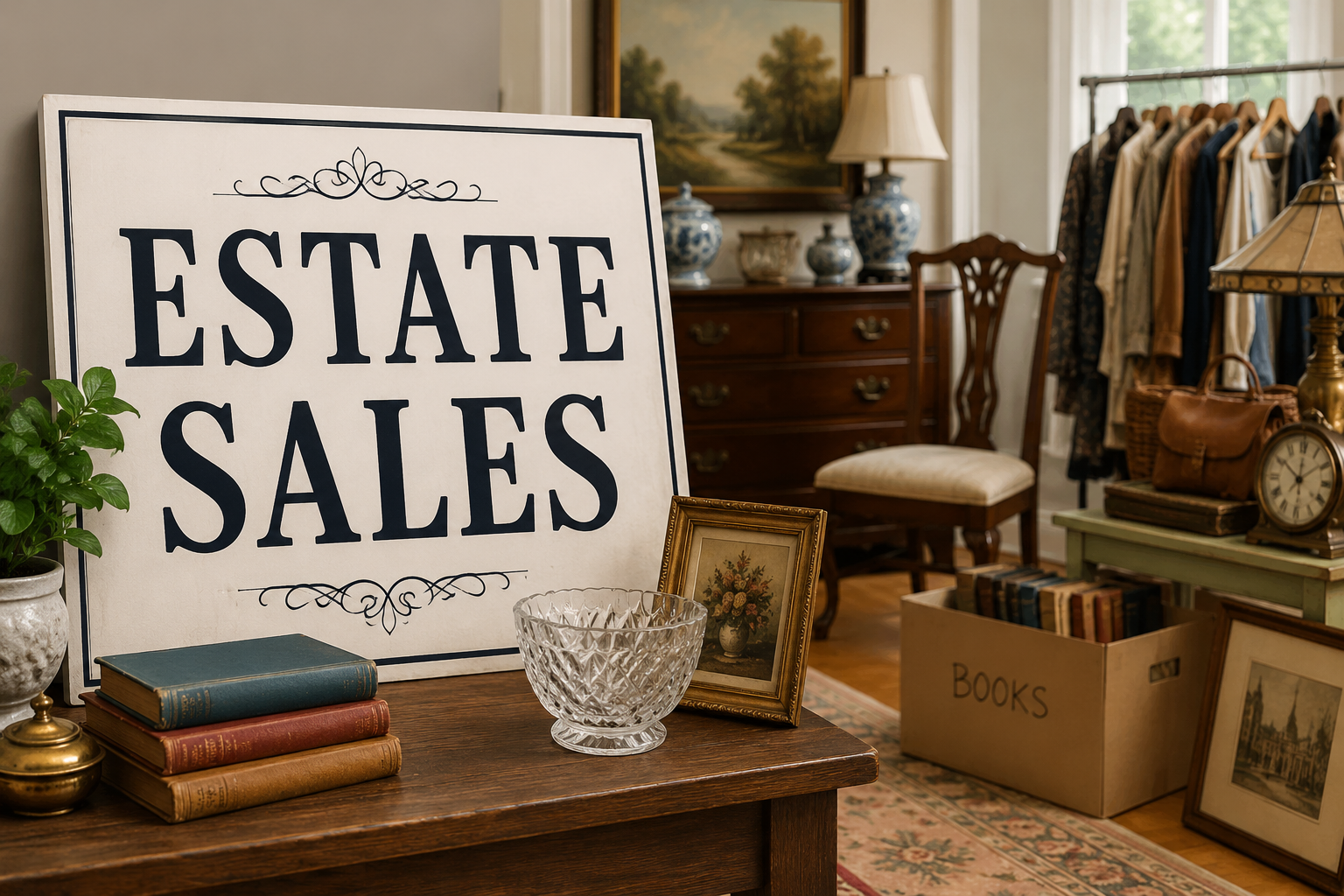
Estate Sales: The Ultimate Guide to Finding Hidden Treasures and Selling Household Belongings
Introduction
Estate sales have become increasingly popular among homeowners, collectors, bargain hunters, and even professional resellers. Whether you’re searching for unique antiques, quality furniture, vintage collectibles, or everyday household items at discounted prices, an estate sale can be one of the best places to shop. On the other hand, if you’re responsible for clearing out a family home, an estate sale offers an organized and efficient way to sell a large number of belongings in just a few days.
Unlike a traditional garage sale, an estate sale usually includes nearly everything inside a home. Furniture, kitchenware, artwork, jewelry, clothing, books, electronics, tools, and decorative pieces are all commonly available. The goal is to sell as much of the home’s contents as possible, making it an attractive option for families handling downsizing, relocation, divorce, or the passing of a loved one.
This guide covers everything you need to know about estate sales, from how they work to tips for buying and selling successfully. Whether you’re a first-time visitor or planning your own sale, understanding the process can help you get the best possible experience.
What Is an Estate Sale?
An estate sale is a public sale where most or all of the personal belongings inside a home are offered for purchase. Unlike flea markets or garage sales that feature selected items, estate sales often include entire households worth of possessions. The event typically takes place inside the home, allowing shoppers to browse each room just as they would during an open house.
Many estate sales are managed by professional estate sale companies. These businesses handle pricing, advertising, organizing merchandise, managing customers, and processing payments. Their expertise often helps maximize profits while making the process much less stressful for the family involved.
Estate sales happen for many different reasons. Families may be moving into a smaller home, settling an estate after a death, relocating across the country, or simply wanting to liquidate years of accumulated belongings. Regardless of the reason, the sale provides an effective way to convert household items into cash while reducing the time and effort required to sell everything individually.
How Estate Sales Work
The process usually begins with an evaluation of the home’s contents. If a professional company is involved, their staff will inspect the property, identify valuable items, and determine whether the sale is financially worthwhile. They then organize each room to create an appealing shopping experience.
Once everything has been sorted, every item receives a price tag. Pricing is based on condition, market demand, rarity, brand, and recent selling prices. Professional organizers often research antiques, collectibles, and designer goods to ensure fair pricing for both buyers and sellers.
The sale itself generally lasts between two and four days. The first day usually features full-price merchandise, while discounts increase over the remaining days. Many companies offer 25%, 50%, or even 75% discounts toward the end of the sale to clear out as much inventory as possible before closing.
Benefits of Shopping at Estate Sales
One of the biggest advantages of shopping at estate sales is the opportunity to discover high-quality items for significantly less than retail prices. Many homes contain well-maintained furniture, kitchen appliances, tools, and home décor that still have years of useful life remaining.
Collectors especially enjoy estate sales because they often uncover rare antiques, vintage toys, collectible coins, artwork, sports memorabilia, and limited-edition items. Since many families are unaware of an item’s true value, shoppers occasionally stumble upon remarkable finds.
Estate sales are also environmentally friendly. Buying secondhand keeps usable items out of landfills while reducing demand for new manufacturing. Choosing pre-owned furniture, household goods, and décor supports sustainable living without sacrificing quality or style.
Why Families Choose Estate Sales
For many families, selling an entire household one item at a time simply isn’t practical. Listing hundreds of products online requires photography, descriptions, negotiations, shipping, and countless meetings with buyers. An estate sale simplifies the process by selling everything over a single weekend.
Professional estate sale companies also reduce emotional stress. Sorting through decades of belongings can be overwhelming, especially after losing a loved one. Experienced organizers handle much of the physical work while treating personal property with care and respect.
Financially, estate sales often generate more revenue than quick donation or disposal methods. Valuable antiques, collectibles, and furniture receive proper pricing, helping families recover more of the home’s overall value.
Tips for Buyers Visiting Estate Sales
Arriving early gives shoppers the best selection. Popular estate sales often attract long lines before opening, especially if rare collectibles or high-end furniture are advertised. Serious buyers frequently arrive an hour or more before doors open.
Bring cash along with a credit or debit card whenever possible. While many estate sale companies accept electronic payments, smaller operators may prefer cash, especially for lower-priced purchases. Having multiple payment options helps avoid missing out on an item you want.
Inspect every purchase carefully before buying. Most estate sales operate under an “as-is” policy, meaning returns are rarely accepted. Check furniture for damage, test electronics if allowed, and examine collectibles closely for repairs or missing pieces.
Tips for Hosting a Successful Estate Sale
Preparation makes a tremendous difference in the success of an estate sale. Organizing rooms, cleaning merchandise, and displaying items neatly encourages shoppers to browse longer and purchase more. Presentation often increases perceived value.
Advertising should begin at least one week before the event. Posting detailed descriptions, photographs, and sale dates across multiple online platforms helps attract larger crowds. Highlighting valuable items can significantly increase attendance.
Pricing should remain realistic. Overpricing discourages buyers, while underpricing reduces profits. Research similar items online or consult experienced professionals to establish competitive prices that encourage steady sales throughout the event.
Common Items Found at Estate Sales
Estate sales can include an incredible variety of merchandise. Living rooms may feature sofas, coffee tables, lamps, artwork, televisions, and decorative accessories. Bedrooms often contain dressers, beds, linens, mirrors, and clothing.
Kitchens are another popular destination because they frequently include cookware, dishes, glassware, small appliances, utensils, serving pieces, and vintage kitchen collectibles. Buyers furnishing a new home often find nearly everything they need in one visit.
Garages and workshops are filled with tools, lawn equipment, hardware, gardening supplies, bicycles, sporting goods, automotive accessories, and seasonal decorations. These sections often provide outstanding value compared to purchasing new equipment.
Mistakes to Avoid
One common mistake buyers make is waiting until the last day for popular items. While discounts increase later in the sale, desirable furniture, jewelry, antiques, and collectibles often sell within the first few hours.
Sellers sometimes remove valuable items before the sale begins without informing the estate company. This can disappoint customers who attended specifically because those items appeared in advertisements. Honest communication helps maintain trust and customer satisfaction.
Another mistake involves failing to research valuable belongings before pricing them. Certain vintage toys, rare books, antique furniture, and collectible artwork may be worth much more than expected. Spending time identifying valuable items can significantly improve overall profits.
Conclusion
Estate sales offer an excellent opportunity for both buyers and sellers. Shoppers gain access to quality household goods, unique collectibles, and valuable antiques at competitive prices, while families benefit from an efficient way to clear an entire home with minimal stress.
Whether you’re hunting for hidden treasures, decorating your home on a budget, or managing a loved one’s estate, understanding how estate sales work will help you make smarter decisions. With proper planning, realistic expectations, and careful preparation, an estate sale can be a rewarding experience for everyone involved.
As the popularity of secondhand shopping continues to grow, estate sales remain one of the most exciting places to discover quality items with history, character, and exceptional value. The next sale you attend could contain exactly what you’ve been searching for—or perhaps a hidden treasure you never expected to find.
You May Also Read: Coastal Flood Advisory